Skip to content
THE CEYLON EDITIONBespoke journeys through Sri Lanka.
Dambulla, Sri Lanka
All destinations

Central

Dambulla

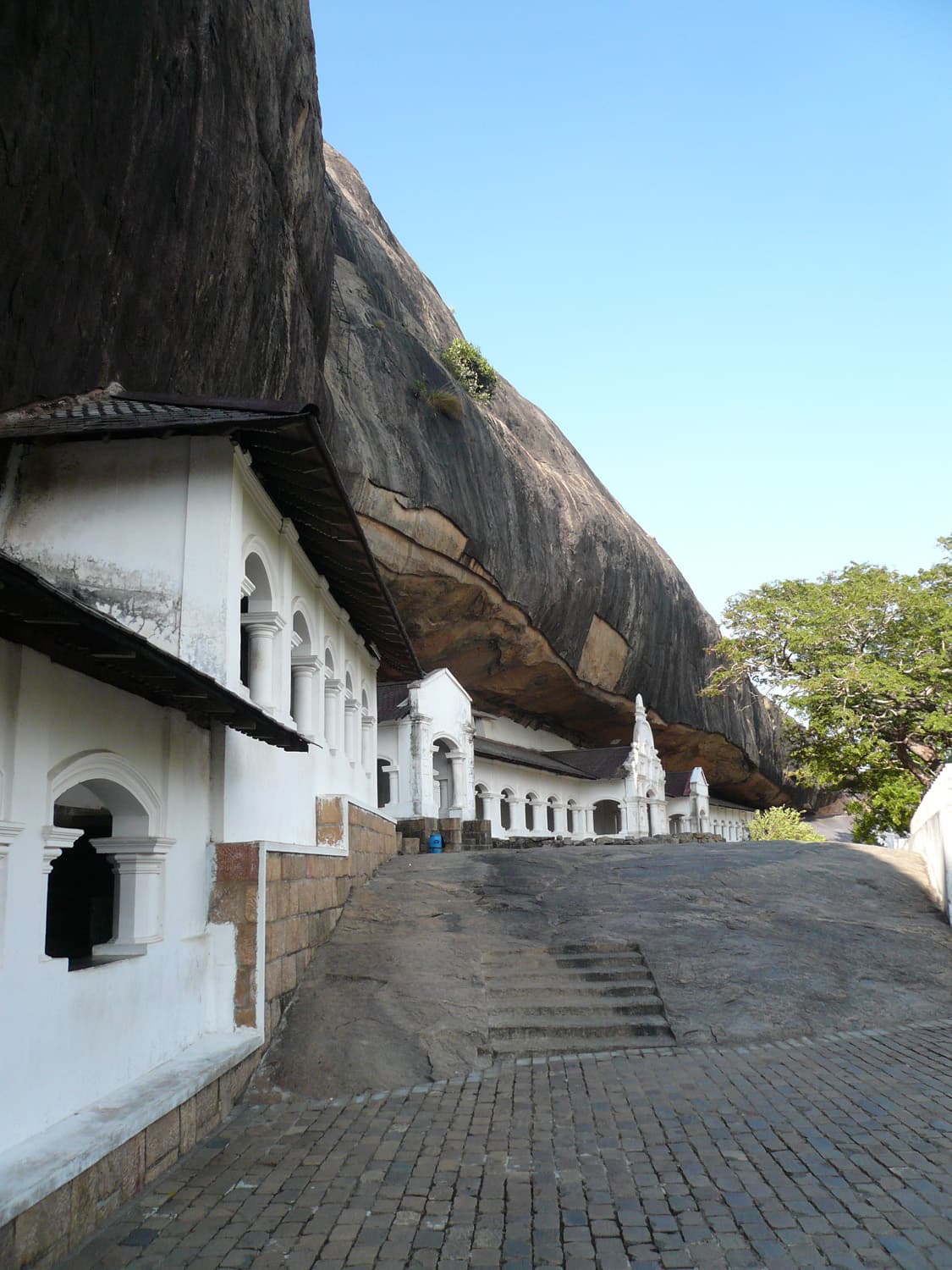
A Cultural Triangle crossroads where an extraordinary painted cave sanctuary rises above markets, farms and dry-zone hills.

Plan Your Journey

A closer look

Why visit Dambulla?

Dambulla’s cave temple is a place of accumulated devotion. Within five principal caves, murals and Buddha images create an intimate sacred world formed over many centuries. The town below is a practical gateway to Sigiriya, Minneriya and rural Matale, making Dambulla a strong base for combining heritage with landscapes and wildlife. Outside the caves, the wider district is a landscape of vegetable farms, forest and isolated rock. Sunrise balloon flights, village cycling and nearby wildlife areas can broaden the stay, while the produce market offers a vivid view of Dambulla’s modern importance to the island’s food network.

Adventure EditionHeritage EditionNature EditionCultural Edition
AhungallaAnuradhapuraArugam BayBelihul OyaBentotaColomboDambullaEllaGalleHikkaduwaJaffnaKalpitiyaKalutaraKandyKataragamaKitulgalaMinneriyaMirissaNuwara EliyaPasikudahPolonnaruwaSigiriyaTangalleTrincomaleeUdawalaweWeligamaWilpattuYalaHambantota
Dambulla is highlighted

Why visit

Come for one of Sri Lanka’s most remarkable sacred interiors and an efficient base at the heart of the Cultural Triangle.

Historical importance

The cave sanctuary has a long association with Buddhist patronage and royal history, with artistic layers developed and renewed over many centuries.

Cultural significance

Rangiri Dambulla remains an active Buddhist pilgrimage site. Its paintings, statues and ritual use demonstrate the continuity of Sri Lankan Buddhist art and devotion.

UNESCO information

UNESCO World Heritage

Rangiri Dambulla Cave Temple was inscribed on the UNESCO World Heritage List in 1991. The property is recognised for its exceptional cave-sanctuary ensemble, extensive murals and religious sculpture, and the continuity of its sacred tradition.

Nature & wildlife

Rock outcrops, dry-zone woodland and nearby protected areas connect Dambulla to elephant country and rich birdlife. Macaques live around the temple approach and should never be fed.

Best time to visit

January to March is often comfortable, while the middle of the year is generally drier but hotter. Visit early morning or later afternoon to reduce heat on the climb.

Weather in Dambulla

26°Fair
83% humidity18 km/h wind

Seven-day outlook

Today26° 26°
Tomorrow35° 25°
Sun34° 25°
Mon34° 25°
Tue32° 24°
Wed32° 25°
Thu32° 25°

Seasonal outlook

Warm and often dry, generally 25–33°C. The northeast monsoon has the strongest rainfall influence, while exposed rock and steps become hot around midday.

Model forecast · MET Norway · Updated every 30 minutes

Destination insights

Discover more about Dambulla

Local character, places worth a detour and thoughtful details for a more rewarding stay.

The character of Dambulla

Local highlights

  1. Centuries of Buddhist sculpture and painting within Rangiri Dambulla’s caves

  2. Wide dry-zone views from the temple’s elevated rock approach

  3. A well-positioned base for Sigiriya, Pidurangala and elephant country

  4. The colour and movement of Dambulla’s important wholesale produce market

  5. Quiet cycling routes through farms, reservoirs and rural village landscapes

Travel well

Before you go

  • Cover shoulders and knees and remove footwear before entering the caves.

  • Carry water and socks for warm stone surfaces.

  • Do not feed or approach macaques.

  • Check official ticket arrangements before climbing.

Accommodation

Places to stay

No published accommodation is available here yet.

Make it yours

Place Dambulla on your route.

Plan Your Journey